


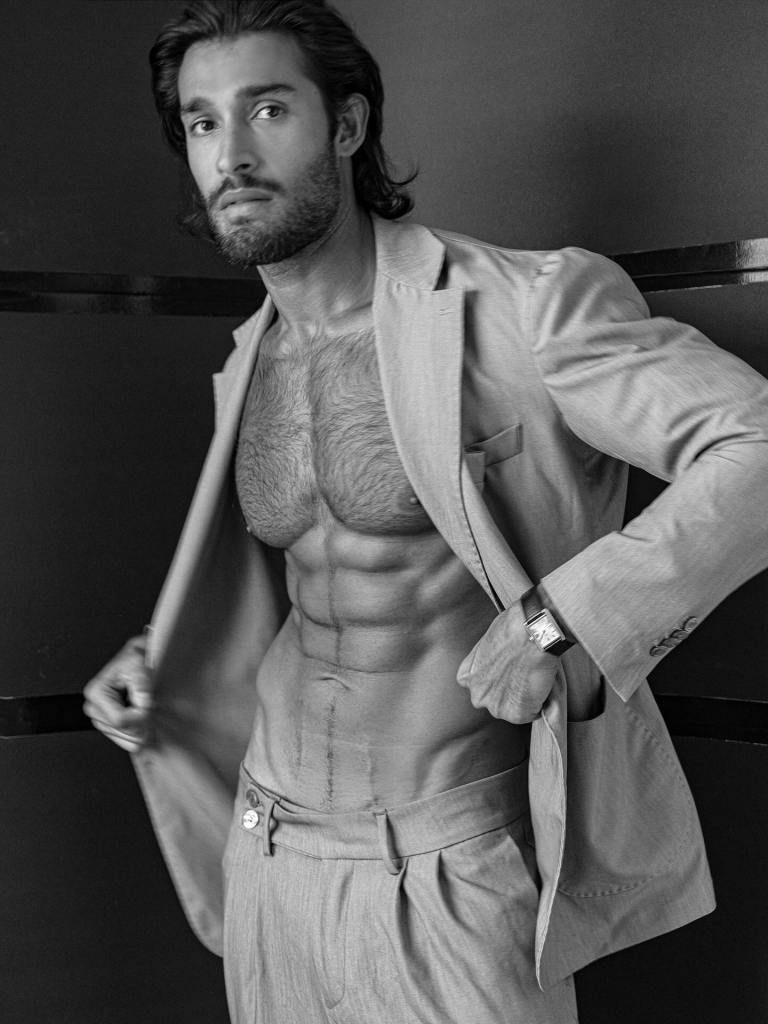
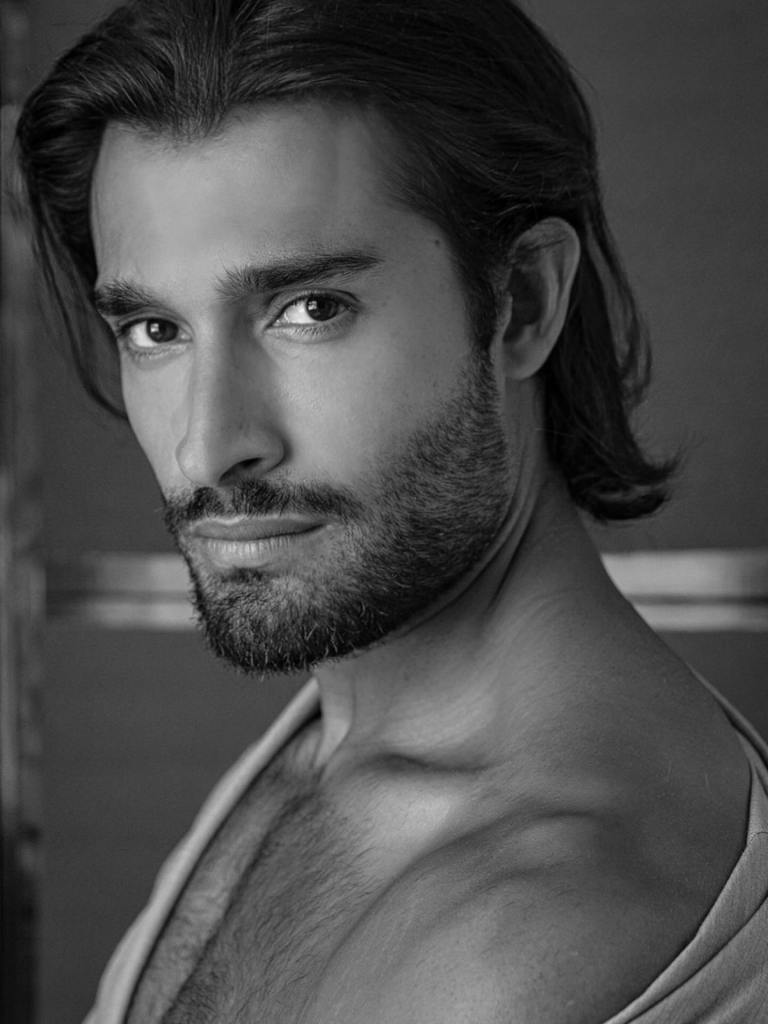
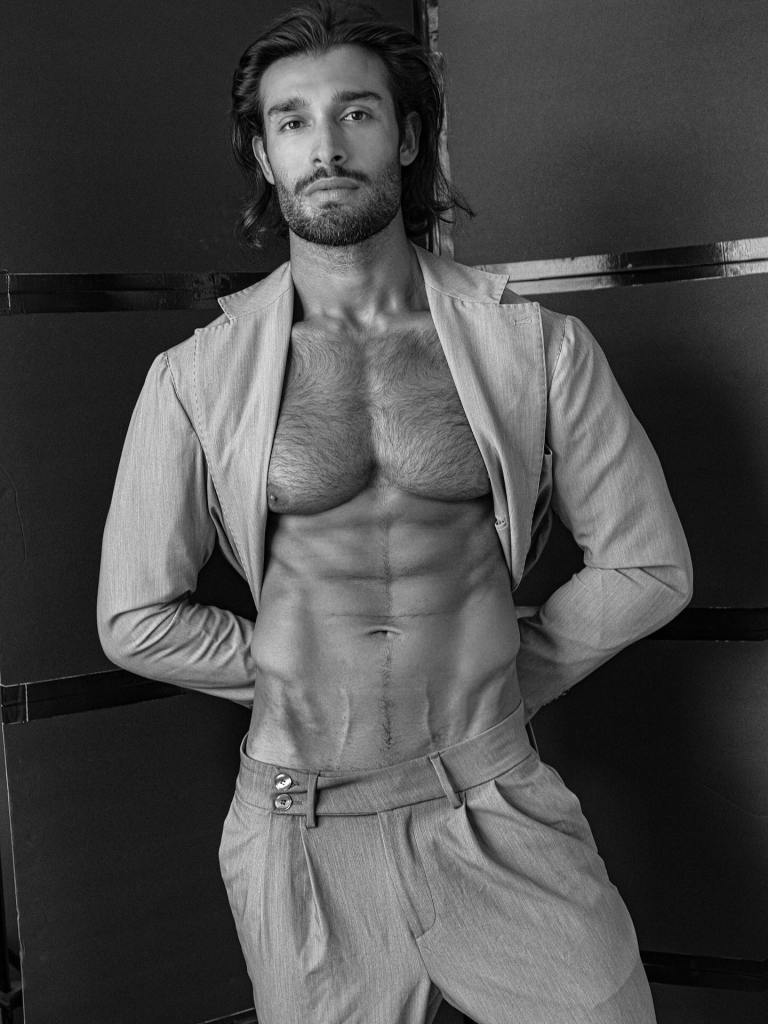
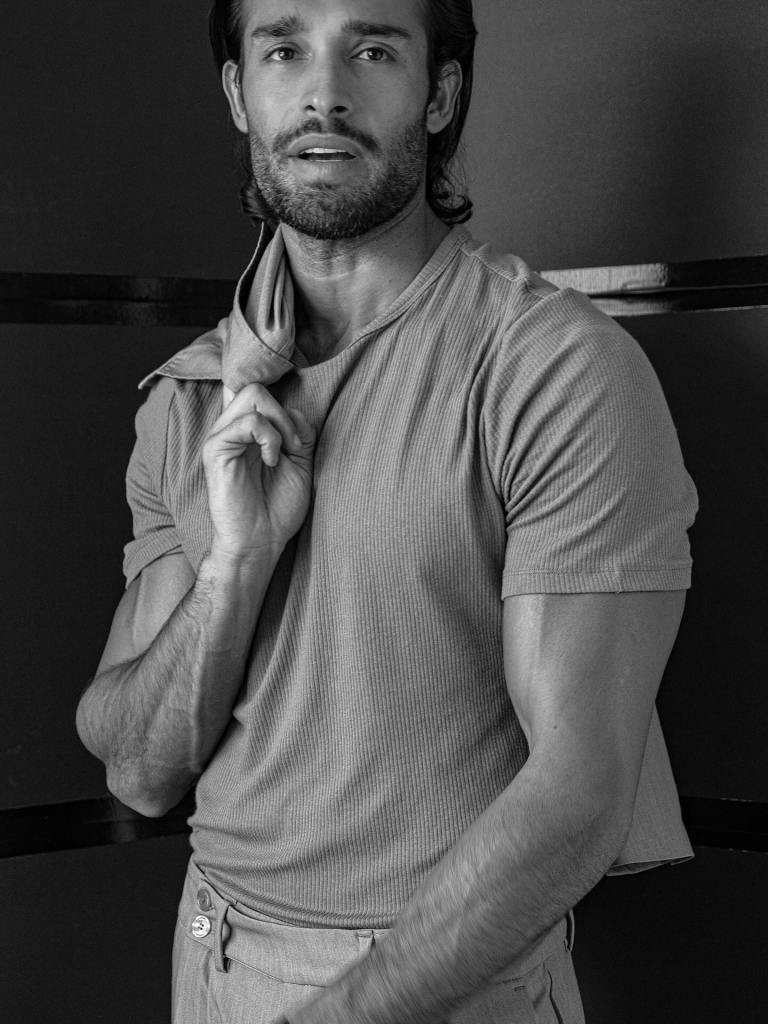
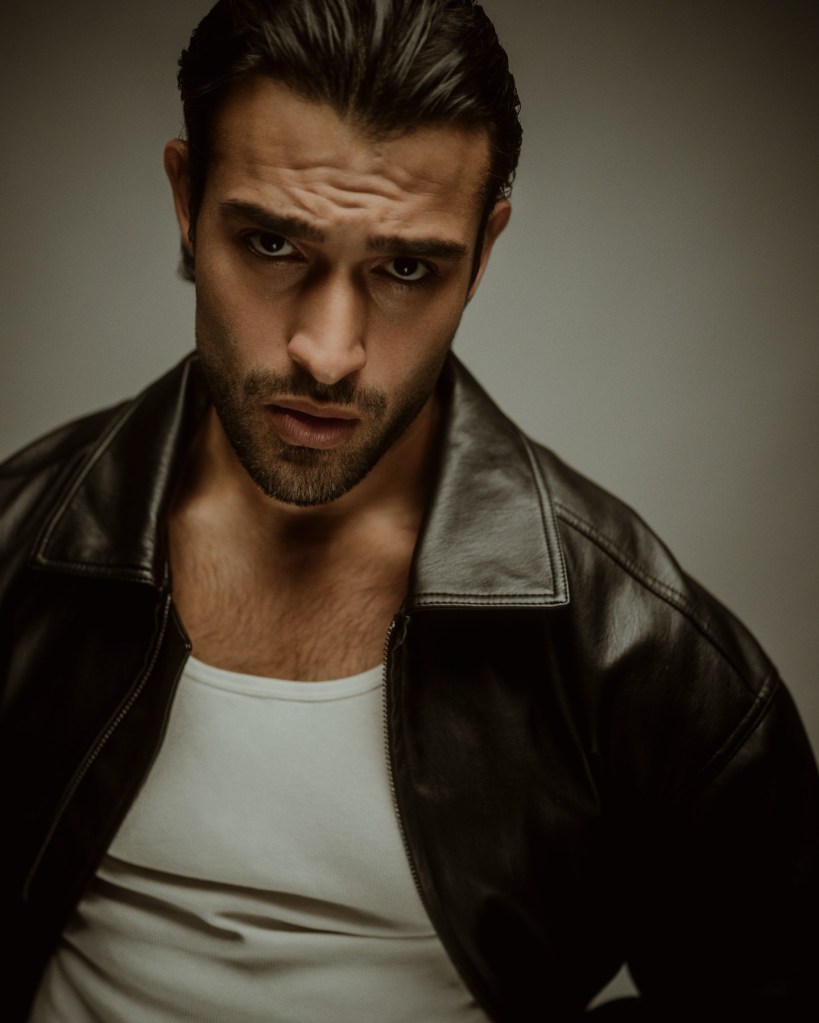
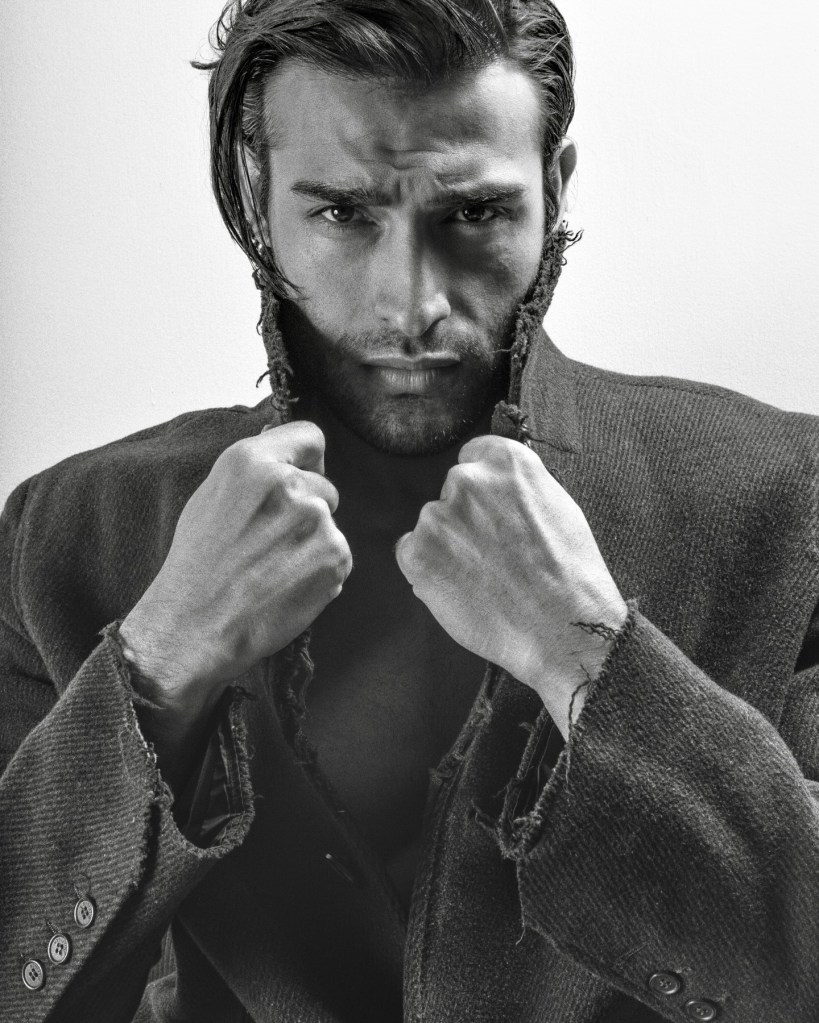

Sam Asghari Captured on Film by Denys Kurta in L.A.: A Convergence of Talent and the Ever-Present Paparazzi
Los Angeles, a city synonymous with fame, fortune, and the unrelenting flash of paparazzi cameras, recently played host to a familiar scene: a well-known celebrity, Sam Asghari, captured on film while navigating the city streets. However, this instance distinguishes itself from the ordinary due to the identity of the photographer behind the lens: Denys Kurta, a name increasingly recognized for his sophisticated and often artistic approach to celebrity photography. This encounter raises questions about the evolving dynamics between celebrities and paparazzi, the increasing artistry within the field of celebrity photography, and the enduring public fascination with the lives of the famous.
While the specific circumstances surrounding Kurta’s photography of Asghari remain, at this point, largely undefined, the implications of this encounter warrant closer examination. Paparazzi photography, often criticized for its intrusive nature and aggressive tactics, has historically been viewed as a necessary, albeit unpleasant, component of celebrity life. It’s a trade characterized by quick reflexes, opportune timing, and a willingness to capture candid, often unflattering, moments. However, the rise of photographers like Denys Kurta signals a potential shift in this landscape.
Kurta’s work transcends the traditional ”snap and grab” approach often associated with paparazzi photography. His images frequently demonstrate a keen eye for composition, lighting, and narrative. They possess a sense of artistry that elevates them beyond simple documentation. This approach suggests a possible evolution within the industry, where photographers are increasingly striving to capture not just images, but stories, moods, and even a sense of humanity within the subjects they photograph. This ambition aligns with the broader trend of visually driven storytelling in contemporary media, where aesthetic quality and narrative depth are highly valued.
The question then becomes: how does this shift impact the relationship between celebrities and the paparazzi? Does a more artistic approach to photography reduce the perceived intrusiveness? Does it encourage a more collaborative, or at least a less adversarial, relationship? The answer, of course, is complex and likely varies on a case-by-case basis. While a more visually appealing and less invasive photograph might be preferable to a poorly lit, unflattering snapshot, the fundamental lack of control over one’s image remains a core concern for many celebrities.
Sam Asghari, in particular, has experienced his share of public scrutiny, largely stemming from his high-profile relationship and subsequent divorce. The constant attention, while perhaps unavoidable in his line of work, undoubtedly places significant pressure on his personal life. Therefore, regardless of the artistic merit of Kurta’s photographs, Asghari’s perspective likely remains rooted in the inherent tension between privacy and public interest. He, like many celebrities, likely navigates a complex calculation: accepting the inevitability of being photographed in exchange for the hope of a more respectful and less sensationalized representation.
The presence of Denys Kurta capturing Sam Asghari on film highlights several key aspects of the modern celebrity landscape:
- The Evolving Definition of Paparazzi Photography: The traditional notion of the paparazzi as a purely intrusive force is being challenged by photographers who are prioritizing artistic quality and storytelling. This evolution presents both opportunities and challenges for celebrities who must navigate this changing landscape.
- The Enduring Public Fascination with Celebrity Life: Despite the ethical concerns surrounding paparazzi photography, the public’s appetite for images and stories of celebrities remains strong. This demand fuels the industry and underscores the ongoing interplay between fame, privacy, and public interest.
- The Importance of Image Control: In an era of ubiquitous cameras and instant dissemination of information, celebrities are increasingly focused on controlling their image and shaping their narrative. This often involves cultivating relationships with preferred photographers and utilizing social media to present a carefully curated version of themselves.
- The Ethical Considerations: The debate surrounding paparazzi photography remains a complex ethical dilemma. While the public has a right to information and visual documentation, this right must be balanced against the individual’s right to privacy and personal autonomy. Finding this balance requires ongoing dialogue and a willingness to re-evaluate existing norms.
In conclusion, Denys Kurta’s recent capture of Sam Asghari on film in Los Angeles offers a snapshot of the ongoing evolution within celebrity photography. It prompts us to consider the shifting dynamics between celebrities and paparazzi, the increasing artistry within the field, and the enduring public fascination with the lives of the famous. While the fundamental tension between privacy and public interest remains, the potential for a more nuanced and respectful approach to celebrity photography offers a glimmer of hope for a more balanced and ethical future. However, ultimately, the responsibility lies with both the photographers and the public to demand and support a form of journalism that respects the dignity and privacy of its subjects, even within the bright lights of Hollywood. The future of celebrity photography hinges on the industry’s ability to adapt and evolve, prioritizing artistic integrity and ethical considerations alongside the pursuit of a captivating image.






 THEMODERNMAN